
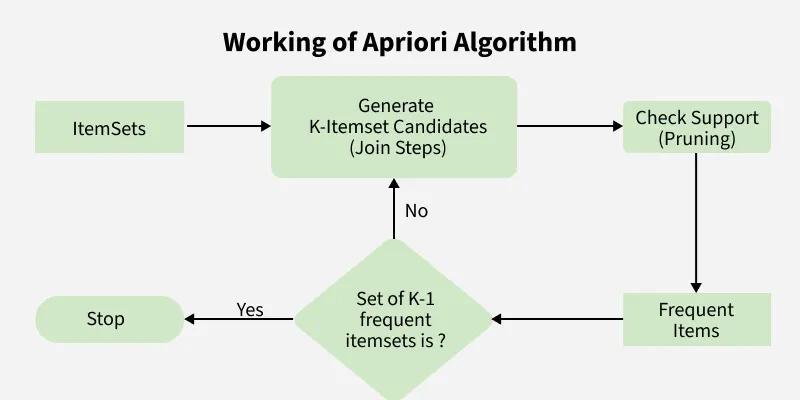
3 MIN READ•
Apriori Algorithm
In data science and machine learning, discovering patterns in large datasets is essential. One of the most popular algorithms for this task is the Apriori Algor


Ashutosh KumarAuthor
Insights, tutorials, and ideas...
In data science and machine learning, discovering patterns in large datasets is essential. One of the most popular algorithms for this task is the Apriori Algor

Data ScienceData Science is an interdisciplinary field that uses statistics, programming, mathematics, and domain expertise to extract knowledge and insights fr



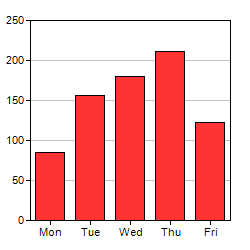
Data VisualizationData visualization is the graphical representation of data to understand patterns, trends, and relationships.Primary Types of Data Visualizati


Use of PropsProps stands for properties.They are used to pass data from a parent component to a child component.👉 Props make components dynamic, reusable, and

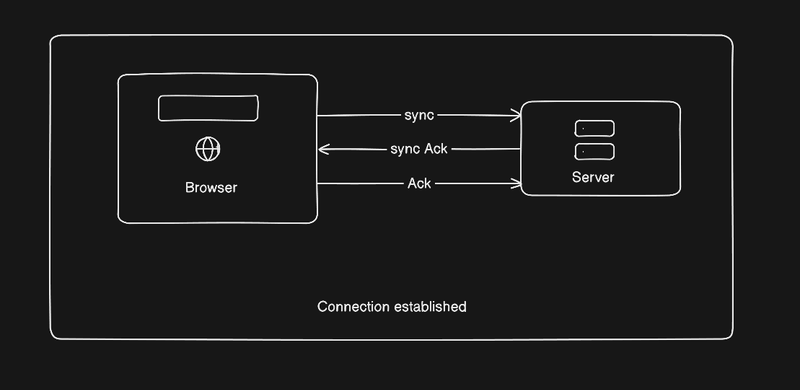
TCP vs UDP Explained: Understanding Their Roles and Relationship with HTTPBefore We Start: Why Do These Rules Exist?Before jumping into TCP and UDP, let’s first



Optimal Binary Search Tree (Optimal BST)Let be the distinct keys ordered from the smallest to the longest andLet be the probability of searching their be the



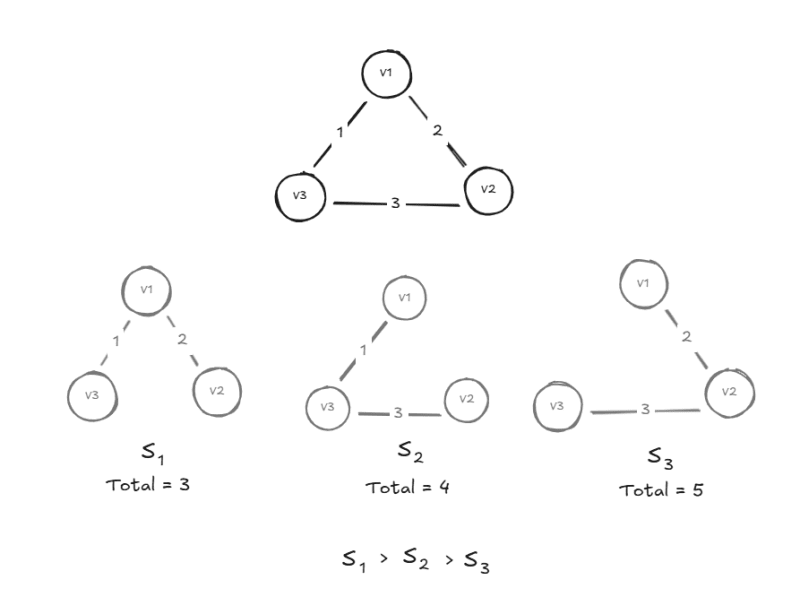
(MST) Kruskal’s & Prim's Algorithm1. ObjectiveKruskal’s Algorithm finds a Minimum Spanning Tree (MST) of a connected, weighted graph by selecting the smalle

Dijkstra’s Algorithm1. DefinitionDijkstra’s Algorithm is a single-source shortest path algorithm used to find the minimum cost path from a source vertex to all

Distance Time SpeedA 160-meter-long train crosses a 160-meter-long platform in 16 seconds. What is the speed of the train?A train with constant speed passes a 7

Profit and Loss ProblemsThe cost price of an article is ₹7,840. What should be the selling price to ensure a 7% profit?✅ ₹8,388.80A shopkeeper purchased 70 kg o

Dimensionality Reduction In statistics and machine learning, dimensionality reduction is the process of reducing the number of variables under consideration by

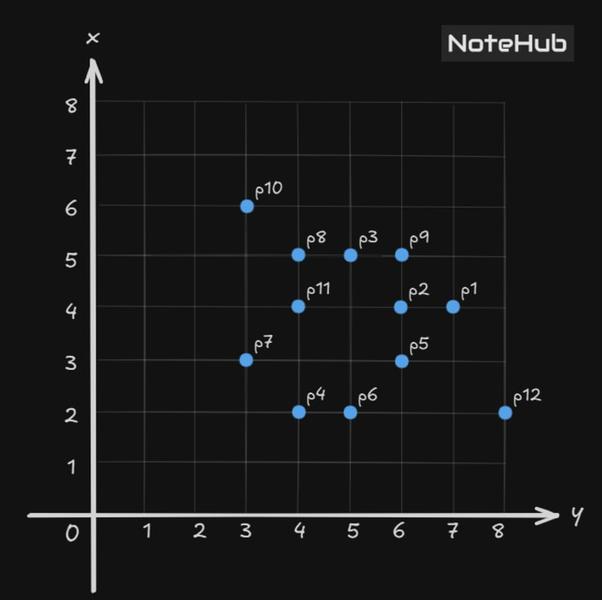
📘 DBSCAN Clustering (Numerical Solution)🧠 DBSCAN Concepts Recapε (epsilon): Radius of neighborhoodMinPts: Minimum number of points (including the point itself